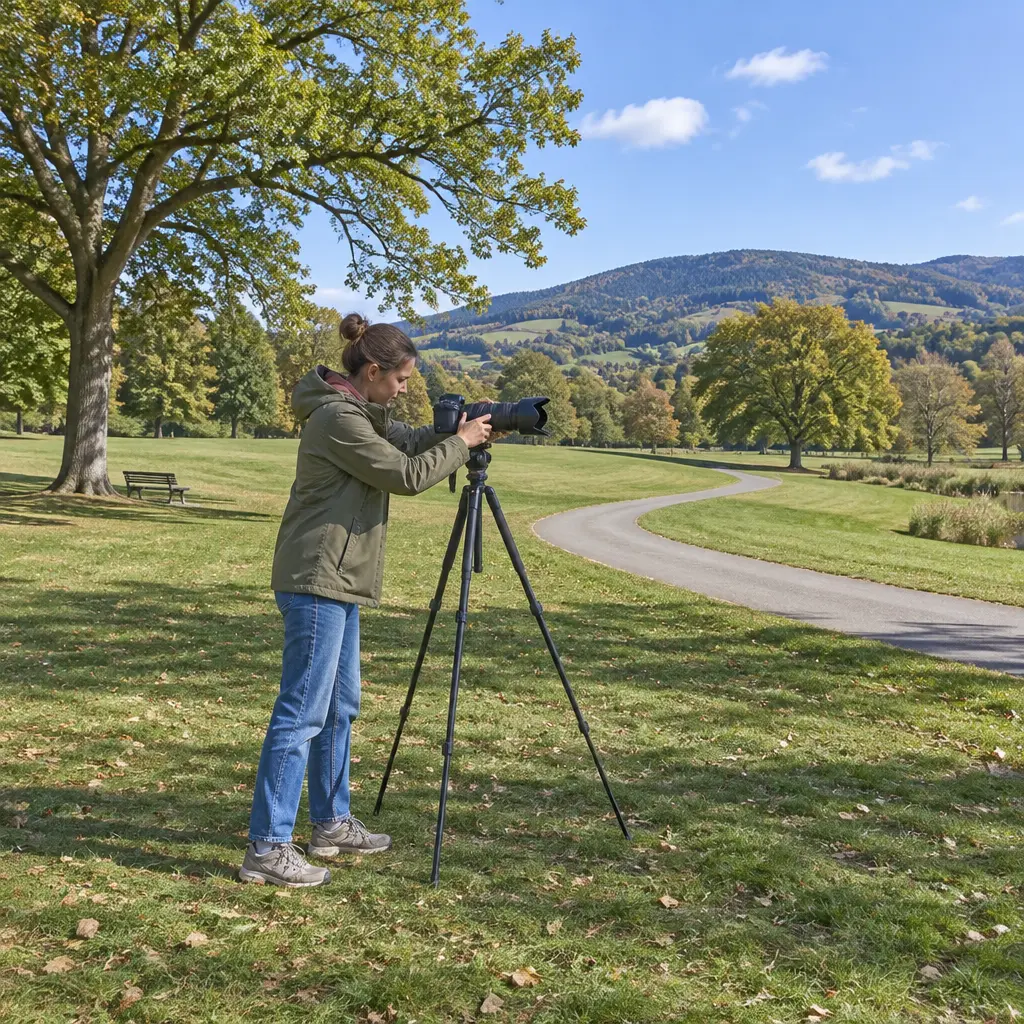
Photography pricing is the process of setting fees that cover the full cost of delivering images while reflecting the value, time, and expertise involved. To price your photography services without undercharging, calculate your complete costs, account for both billable and non-billable work, research your market, and build a profit margin into every package. The U.S. Bureau of Labor Statistics reported a May 2023 median annual wage of $40,760 for photographers, but that employee wage is not a freelance pricing guide: independent photographers must also account for expenses, taxes, unpaid administrative time, and gaps between bookings. The sections below explain cost-based pricing, package and licensing choices, market research, and practical ways to review your rates.
Photography pricing strategy and sustainable rates
A photography pricing strategy is a repeatable method for translating business costs, workload, client value, and market conditions into fees. It is more than choosing an hourly rate: a complete strategy considers the shoot, preparation, editing, delivery, usage rights, overhead, and profit. The American Society of Media Photographers’ pricing guidance emphasizes that photographers should understand their costs and the licensing value of their work rather than treating an image as a commodity.
Rates differ by location, specialty, experience, client type, and usage. A wedding collection, a corporate headshot session, and an advertising license are not directly comparable because they involve different deliverables, risks, and rights. Use market research to understand your position, but base your minimum sustainable fee on your own numbers.
Calculate your cost floor
Your cost floor is the minimum amount a job must earn to contribute appropriately toward business expenses and owner compensation. List fixed costs—such as insurance, software, equipment financing, website hosting, and studio rent—and variable costs, such as travel, assistants, props, printing, and payment-processing fees. Include equipment replacement: cameras, computers, lenses, and storage wear out even when no repair bill arrives that month.
The U.S. Small Business Administration recommends accounting for both one-time and recurring startup expenses when planning a business. For an established photography business, the same discipline applies to an annual operating budget. Add your desired pre-tax owner compensation and a realistic reserve for taxes and reinvestment, then calculate how much revenue the business must generate.
For example, if annual business expenses are $18,000, desired owner compensation is $52,000, and you plan to complete 80 paid assignments, the baseline revenue target is $875 per assignment ($70,000 divided by 80), before considering taxes, profit, or differences in job complexity. This is a planning example, not a universal market rate. If your actual workload includes substantial low-fee jobs, the average fee required from higher-value assignments will rise.
Count all the hours, not only shooting time
A billable-hour calculation should reflect the full project, not merely the time spent holding a camera. Estimate time for client calls, proposals, planning, travel, setup, shooting, culling, retouching, backups, delivery, invoicing, and follow-up. If a four-hour event requires six additional hours of preparation and post-production, pricing it as a four-hour job understates the labor.
The Bureau of Labor Statistics notes that self-employed photographers may spend time marketing, scheduling, and performing administrative work in addition to creating photographs. Those hours are necessary to operate the business, even when they cannot be billed to one client. A useful internal formula is: (annual expenses + target owner compensation + planned profit) ÷ realistic annual billable hours = a minimum working hourly revenue target. Estimate billable hours conservatively; a full-time workweek is not a full-time billable week.
Photography packages and licensing determine what a fee includes
A photography package defines the service and deliverables included in a quoted fee, while a license defines how a client may use the photographs. Separating these concepts prevents a common pricing mistake: charging for the shoot but giving away broad, long-term commercial usage without accounting for its value. The ASMP’s licensing resources distinguish the creation of an image from the permissions granted to use it.
Build packages around scope and deliverables
A well-designed package states the session length, number or type of final images, editing level, delivery format, turnaround time, location, and any included products or expenses. Packages make comparisons easier for clients and help photographers control scope. They should not hide limits: clarify extra-image fees, overtime, rescheduling terms, travel charges, and what counts as a revision.
For instance, a portrait photographer might offer a short session with a defined number of edited files, a standard session with additional images, and a premium option that adds prints or a second location. The prices should reflect the extra labor and products in each tier. Avoid adding deliverables simply to make a package look generous if they reduce the effective fee below your cost floor.
Price commercial usage as a separate decision
Commercial licensing is permission for a client to use photographs for specified purposes, audiences, territories, and durations. A local business’s website use may call for narrower rights than a national advertising campaign across digital, print, and outdoor media. Quote licensing terms in plain language and identify whether the fee covers exclusive use, paid advertising, social media, or a limited term.
The U.S. Copyright Office explains that copyright generally belongs to the creator when a work is made, subject to legal exceptions and agreements. A client’s payment for a photography service does not automatically settle every question about copyright or usage. Put the agreed license or any copyright transfer in a written contract, and seek legal advice for complex or high-value arrangements.
Photography market research supports—but does not set—your rates
Market research is the process of comparing your service, client segment, and positioning with relevant alternatives. It helps establish whether your offer is aligned with local expectations, but competitor prices alone cannot tell you whether a job is profitable. A rate copied from a photographer with different costs, experience, or business volume may leave you underpaid.
Compare like with like
Compare photographers who serve similar clients and provide similar work in your region. Review what is included, turnaround time, image count, product quality, experience, and licensing terms—not just the headline price. Public price lists, client interviews, professional associations, and local business networks can all provide useful signals. Treat informal online discussions as context rather than verified market data.
The Bureau of Labor Statistics’ occupational outlook describes photographers as working across varied industries and employment arrangements, reinforcing that a single national wage figure cannot represent every specialty or freelance business model. Use wage and industry data to understand broad conditions, then validate your own offer through inquiry conversion, repeat bookings, client feedback, and profit per project.
Use value-based pricing where client outcomes vary
Value-based pricing considers the intended business benefit and usage of the photographs, not only the hours required to make them. For a commercial client, images may support a product launch, a campaign, or a library of brand assets. The potential value can differ substantially from a personal portrait session, so the scope and license should reflect the client’s intended use while remaining clearly documented.
Value-based fees do not mean charging an arbitrary amount. Estimate production costs first, define the deliverables and rights, and then consider the client’s use, reach, and constraints. If the client’s budget is limited, reduce scope, duration, or licensing breadth rather than silently discounting the same work and rights.
Pricing practices protect profit and client expectations
A profitable rate must be supported by clear sales and project-management practices. Consistent estimates, deposits, contracts, and periodic reviews make it easier to explain what clients are buying and to identify when a price no longer works. This turns pricing from a one-time guess into an operating system.
Write clear estimates and contracts
An estimate should list the creative fee, production expenses, taxes where applicable, included deliverables, payment schedule, and license or usage terms. A contract should also cover cancellation, rescheduling, overtime, delivery timing, model or property releases when needed, and what happens if circumstances change. Clear terms reduce misunderstandings and help prevent unpaid extra work.
Requesting a booking deposit or retainer, where legally appropriate, can reserve the date and reduce the risk of last-minute cancellation. Explain whether it is refundable or applied to the total fee, and make the policy consistent with local law. For specialized legal or tax questions, consult a qualified professional in your jurisdiction.
Review rates using actual project results
Track revenue, expenses, hours, and project type for each assignment. Calculate effective revenue per working hour and contribution after direct costs. If a package consistently takes longer than planned, revise the scope, workflow, or fee. If clients frequently accept a quote immediately and the business is booked beyond capacity, that may indicate room to test a higher price; it is a signal to investigate, not proof on its own.
Review prices at least annually and whenever equipment, insurance, software, travel, or labor costs change materially. The U.S. Bureau of Labor Statistics’ Consumer Price Index tracks changes in consumer prices, offering a broad inflation reference, although it does not measure every photography-specific business expense. Compare that indicator with your own supplier invoices and operating budget before adjusting rates.
Conclusion: price photography for sustainability
Pricing photography services without undercharging begins with a clear cost floor, an honest count of all project hours, and realistic annual billable capacity. Packages should define scope and deliverables, while licensing should specify the client’s usage rights. Market research and value-based thinking can refine a quote, but neither replaces knowing your numbers. Use written estimates and contracts, track project profitability, and revisit rates as costs and demand change.
Start by reviewing your last five assignments: record the full hours, direct expenses, final fee, and rights granted. Then update one package or rate using your cost floor and test it with new inquiries. For further guidance, consult small-business budgeting resources, professional photography associations, and qualified legal or tax advisers.
Sources: U.S. Bureau of Labor Statistics, Photographers, Occupational Outlook Handbook, https://www.bls.gov/ooh/media-and-communication/photographers.htm; U.S. Bureau of Labor Statistics, Photographers, Occupational Employment and Wage Statistics, May 2023, https://www.bls.gov/oes/2023/may/oes274021.htm; American Society of Media Photographers, Business Resources, https://www.asmp.org/business-resources/; U.S. Small Business Administration, Calculate Your Startup Costs, https://www.sba.gov/business-guide/plan-your-business/calculate-your-startup-costs; U.S. Copyright Office, Copyright Basics, https://www.copyright.gov/circs/circ01.pdf; U.S. Bureau of Labor Statistics, Consumer Price Index, https://www.bls.gov/cpi/