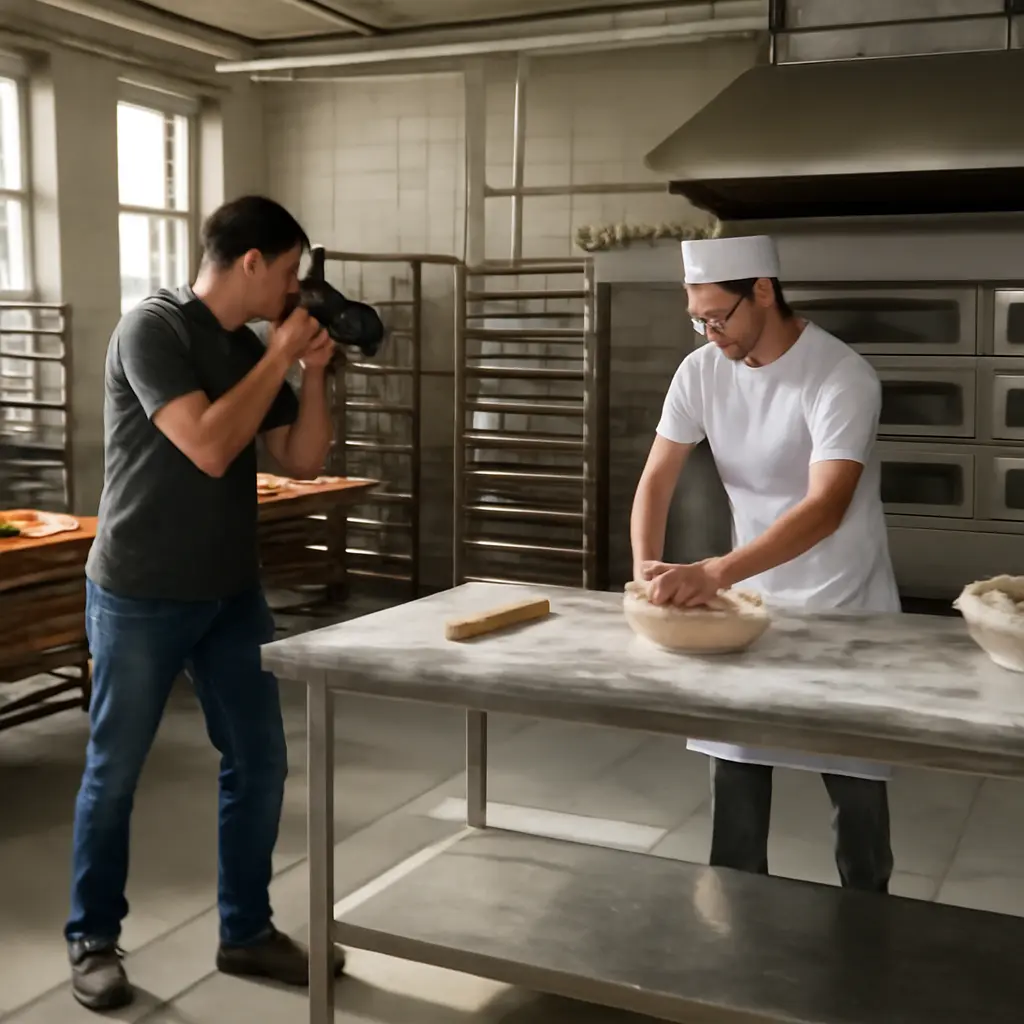
Fine art photography is photography made with artistic purpose: the image is shaped not only to record a subject but to express an idea, feeling, or interpretation. Intent matters because it helps explain the choices behind a photograph—what the artist includes, excludes, stages, or alters—but it does not dictate a single correct meaning. The Museum of Modern Art’s history of photography shows how the medium has moved between documentation and artistic expression, while scholarship on photographic interpretation emphasizes that viewers also bring their own contexts. This article defines artistic intent, examines how it appears in composition, subject, process, and presentation, and considers examples and ethical limits that clarify its role.
Intent defines the purpose of fine art photography
Intent in fine art photography is the artist’s purpose or guiding idea in making and presenting an image. It can be explicit, such as a planned critique of consumer culture, or exploratory, emerging through experimentation rather than being fixed in advance. Art historian John Szarkowski, in his influential account of photography at the Museum of Modern Art, described the medium through recurring concerns including the thing itself, the detail, the frame, time, and vantage point. These concerns show how artistic meaning can arise from photographic decisions as much as from a declared message.
There is no universally accepted metric that measures artistic intent or determines whether a photograph qualifies as fine art. Museums, galleries, artists, critics, and audiences assess photographs through different combinations of authorship, purpose, form, context, and reception. The distinction is therefore not simply “art” versus “record”: a documentary image may also be an artwork, and an image made for an artistic project may still document real people or events.
Intent is distinct from subject and effect
A photograph’s subject is what appears in it; intent concerns what the photographer seeks to explore or communicate through that subject. A portrait of a worker, for instance, might investigate dignity, labor, identity, or the conventions of portraiture. The same visible subject can support different artistic intentions depending on the framing, lighting, sequence, caption, and exhibition context.
Intent also differs from effect. An artist may intend a photograph to feel unsettling, while viewers find it tender or ambiguous. Meaning is shaped by the interaction between the maker’s decisions, the image’s context, and the viewer’s interpretation. Roland Barthes’s writing on photography, especially the distinction between shared cultural signs and personally affecting details, remains useful for understanding why an image can exceed its maker’s intended explanation.
Intent can be planned, discovered, or revised
Some photographers begin with a detailed concept, research subjects, and design a consistent visual method. Others make photographs intuitively and identify a theme while editing. Both approaches can produce coherent work. Intent may also change: an artist can reinterpret an image after seeing how it relates to other photographs or after learning more about the people and events depicted.
This flexibility matters because treating an artist statement as a final, authoritative key can narrow interpretation. Statements can offer context, but the photographs’ visual evidence and the audience’s informed responses remain important parts of how a work functions.
Photographic choices make intent visible
Intent becomes legible through a network of choices: subject selection, viewpoint, timing, light, focus, color, sequencing, printing, and display. These are not merely technical details. They guide attention and influence how viewers understand the relationship between the image and the world it depicts. The categories below overlap; a single decision can serve several purposes at once.
Composition and framing direct attention
Composition is the arrangement of visual elements within an image, while framing determines what is included and left outside the edges. A close crop can create intimacy or conceal context; a distant viewpoint can emphasize isolation, scale, or social surroundings. Repeated angles across a series can establish a deliberate visual rule, while breaking that rule may signal a shift in the artist’s thinking.
Szarkowski’s emphasis on the frame and vantage point helps explain why a photograph is never a neutral slice of reality. Even when a scene is not staged, the photographer chooses where and when to stand. Viewers can assess those choices by asking what the frame reveals, what it withholds, and how that selection supports the work’s apparent purpose.
Subject and series establish the inquiry
A sustained subject can turn individual photographs into an investigation. A series about domestic interiors, for example, might examine class, memory, gender, architecture, or the passage of time. The subject alone does not establish which inquiry is intended; relationships among images, captions, sequencing, and the artist’s broader practice provide further evidence.
A notable example is Cindy Sherman’s “Untitled Film Stills” (1977–1980), a series of 69 black-and-white photographs in which Sherman adopts constructed personas resembling characters from imagined films. The work makes performance and the visual conventions of female representation central to its inquiry. Its meaning arises not from a single portrait but from the repeated, varied use of costume, pose, setting, and cinematic suggestion.
Process and material shape interpretation
Process includes how an image is made and altered: camera choice, exposure, darkroom printing, digital editing, collage, staging, and reproduction. Material decisions—including scale, paper, surface, and installation—can affect whether a photograph reads as intimate, documentary, monumental, fragile, or deliberately artificial.
These choices do not automatically determine artistic value. Rather, they provide evidence of how an artist is treating the photographic image. A carefully constructed tableau, a straight photograph, and an extensively manipulated image can all carry serious artistic intent, provided the process is considered in relation to the work’s aims and context.
Intent connects fine art, documentary, and conceptual photography
Fine art photography includes multiple approaches rather than one visual style. Its hyponyms—more specific practices within the broader category—include documentary, portrait, landscape, conceptual, staged, and abstract photography. These labels describe overlapping methods or subjects, not exclusive boxes. Intent helps distinguish how a photographer uses a method, but the label alone cannot establish meaning.
Documentary practice can also be artistic
Documentary photography records people, places, or events, often with an emphasis on social or historical conditions. Fine art and documentary aims can coexist: a photographer may bear witness while also developing a distinctive visual language and shaping a sequence for exhibition or publication. The relevant questions include how the images were made, what context accompanies them, and how the photographer handles the people represented.
The Farm Security Administration photography program in the United States during the 1930s is a widely studied historical example of photography serving public documentation and cultural interpretation. Photographers such as Dorothea Lange made images associated with the program’s record of Depression-era hardship. Those images are now encountered both as historical evidence and as carefully composed photographs, demonstrating that documentary purpose and artistic form are not mutually exclusive.
Conceptual and staged photography foreground ideas
Conceptual photography places an idea, system, or question at the center of the work; the image may function as one element in a larger project. Staged photography, meanwhile, deliberately arranges people, objects, or settings before the camera. These methods can make construction visible rather than pretending that every photograph is an unmediated record.
In Sherman’s work, staging is not simply theatrical decoration: it helps examine how recognizable images and roles are produced. In other projects, staging may explore memory, advertising, historical painting, or the instability of photographic evidence. Viewers can evaluate such work by comparing its visual strategies with its stated subject and by noticing whether the construction is disclosed or intentionally left ambiguous.
Landscape, portrait, and abstract approaches offer different evidence
Landscape photography may address ecology, ownership, tourism, or human impact rather than scenery alone. Portraiture can explore identity and power through the relation between photographer and sitter. Abstract photography may reduce recognizable subject matter to color, texture, light, or form. In each case, intent is inferred from the work’s visual decisions, its relation to other images, and the circumstances of its presentation.
These approaches are best understood as tools rather than guarantees. A landscape is not automatically environmental commentary, and abstraction is not automatically detached from reality. Context and sustained evidence are needed before assigning a specific meaning.
Ethics and interpretation place limits on intent
Artistic intent does not erase the responsibilities involved in photographing real people, communities, or events. Consent, privacy, power differences, cultural context, and truthful presentation matter, particularly when images can affect a subject’s reputation or safety. An artist’s explanation can clarify a decision, but it does not automatically make that decision ethical or settle how the work should be received.
Context supports responsible interpretation
Captions, dates, locations, exhibition notes, and production details can help audiences distinguish observation from staging and understand what a photograph does not show. This is especially important for documentary images, where viewers may treat photographs as direct evidence. Susan Sontag’s writing on photography cautions that photographs can shape how suffering and events are perceived while remaining selective representations rather than complete accounts.
Editing and digital alteration require transparency
Editing can serve an artistic purpose, but its significance depends on the work’s claims. Retouching in a constructed artwork may be part of the concept; changing a documentary image in a way that misrepresents an event raises different concerns. When the distinction matters to interpretation, artists and institutions should provide enough information for viewers to understand the image’s production and intended status.
A useful approach is to separate three questions: What did the artist intend? What does the photograph visibly support? What ethical obligations arise from its production and circulation? Keeping these questions distinct encourages interpretation without treating intent as either irrelevant or all-powerful.
Conclusion: intent gives fine art photography direction, not a single meaning
Intent in fine art photography is the guiding purpose or inquiry behind an image or body of work. It becomes visible through framing, subject, process, sequence, and presentation, while documentary, conceptual, portrait, landscape, staged, and abstract practices show the range of ways that purpose can operate. Historical and contemporary examples demonstrate that artistic expression can coexist with documentation, and ethical interpretation requires attention to context, representation, and the people depicted.
For further study, compare a photographer’s statement with the photographs themselves, examine how images change when sequenced or exhibited, and read museum histories and critical writing alongside the work. Treat intent as an important source of evidence—not as a final answer—and consider what the image enables viewers to notice, question, or reconsider.
Sources: Museum of Modern Art, “The Photographer’s Eye,” https://www.moma.org/calendar/exhibitions/1207; Museum of Modern Art, “Cindy Sherman: The Complete Untitled Film Stills,” https://www.moma.org/collection/works/56618; National Gallery of Art, “The New Deal and the Arts,” https://www.nga.gov/features/slideshows/new-deal-and-the-arts.html; Roland Barthes, Camera Lucida: Reflections on Photography, Hill and Wang, 1981; Susan Sontag, On Photography, Farrar, Straus and Giroux, 1977.